November 13, 2026
Beneath every lawn, field, and neighborhood lies a resource most people never see. Groundwater is the water stored in the cracks and spaces of soil, sand, and rock, and it quietly supplies much of the nation’s drinking water. Because it stays out of sight, it is easy to take for granted. For the many Georgia homeowners who rely on private wells, however, groundwater is not an abstract idea. It is the water in every glass, shower, and washing machine, and protecting it starts at the wellhead.
Below, we look at how groundwater supports the country, what threatens it, and what well owners can do to keep their own supply safe. One practical step stands out above the rest: a regular water well inspection. It is a simple way to protect both your household and the aquifer you share with your neighbors. Understanding the bigger picture makes that habit easier to value.
Understanding Aquifer Basics
An aquifer is an underground layer of rock, gravel, or sand that holds water and allows it to move toward wells and springs. Rain and melting snow soak into the ground and slowly refill these layers, a process called recharge. According to the U.S. Geological Survey, groundwater supplies drinking water to nearly 150 million people across the country. In the Georgia Piedmont around Metro Atlanta, many wells draw from water held in fractures within bedrock, so each well’s yield and quality depend on local geology.
Groundwater is often steadier than surface water, since soil and rock filter it naturally and it is less exposed to runoff. That natural filtering has limits, however, and it cannot replace careful well construction and upkeep. A water well inspection checks the casing, cap, pump, and pressure tank to confirm that surface contaminants are not slipping past the barriers built to stop them.
Recognizing Economic Value
Groundwater supports far more than household faucets. Farms use it to irrigate crops, factories use it in production, and communities rely on it as a backup when rivers and lakes run low during drought. Rural areas lean on it most heavily, because wells are often the most practical and affordable source of water far from municipal lines. Cities often draw mainly on surface water but still use groundwater to supplement supply. For a private well owner, the economic value is personal.
A dependable well adds to a home’s usefulness and market appeal, and a failed one can mean costly repairs and serious disruption. A water well inspection is especially valuable when buying or selling a property, since it documents the condition of the pump, tank, and water quality before money changes hands. Older wells in particular benefit from this kind of review. Protecting that value is simply good financial sense.
Confronting Contamination Risks
Groundwater is protected by layers of soil and rock, but it is far from immune to pollution. Fertilizers, pesticides, fuel leaks, failing septic systems, and industrial discharges can all carry contaminants such as nitrates, bacteria, and heavy metals down toward the water table. Once an aquifer is polluted, cleanup is slow and expensive, which makes prevention the smartest strategy. Land use matters as well, since paved surfaces increase runoff and heavy chemical use near recharge areas can send pollutants underground.
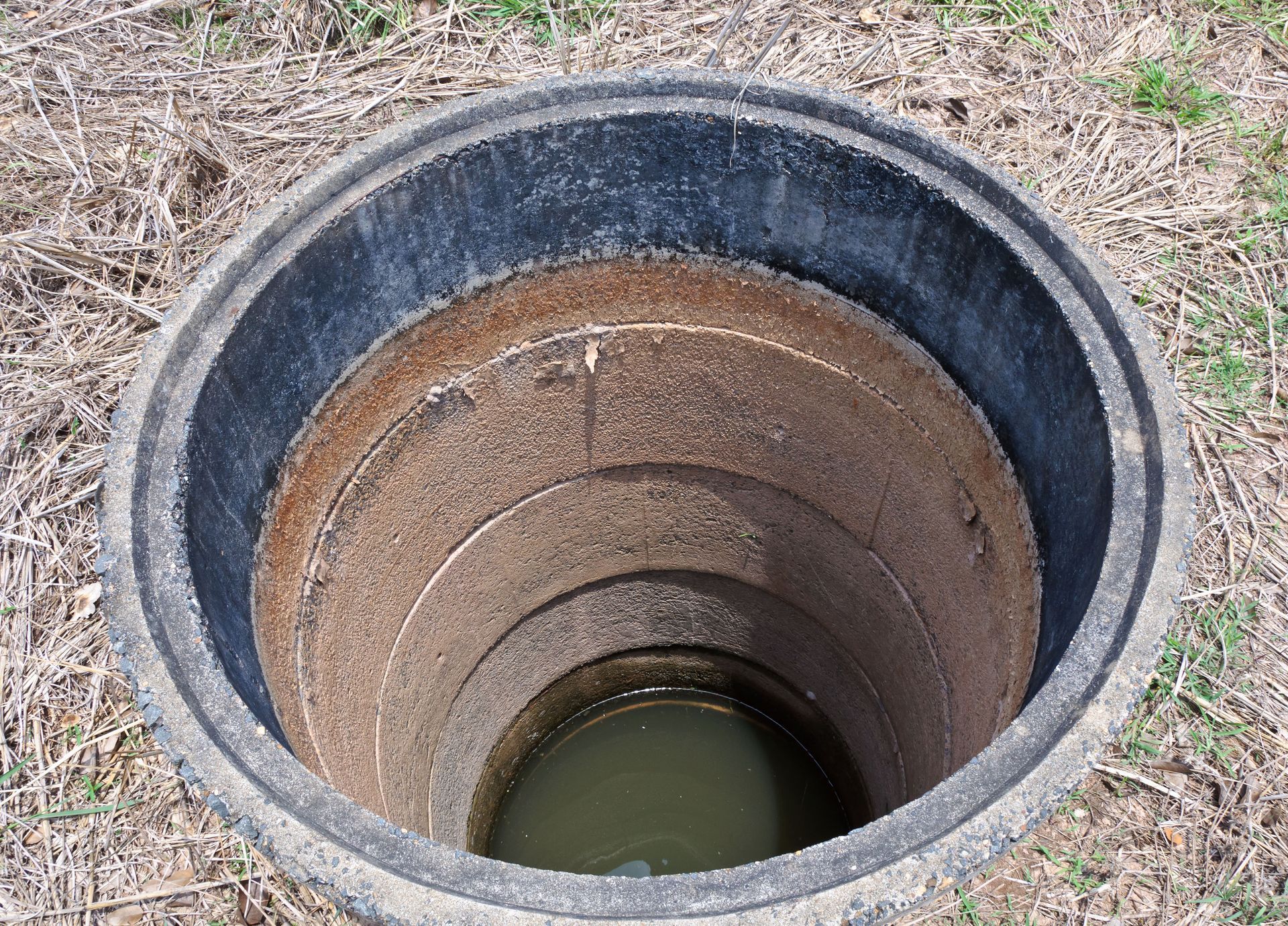
Private wells are not regulated like public water systems, so owners carry the responsibility themselves. Regular testing for bacteria, nitrates, iron, and other concerns, combined with a yearly water well inspection, reveals problems early. Filtration, water treatment, and chlorination can then correct the issue before it affects your family. Abandoned wells matter too, since an uncapped, unused well can give contaminants a direct path into the aquifer.
Monitoring Depletion Trends
Pollution is only one threat, because groundwater can also be used faster than nature replaces it. When pumping outpaces recharge, water levels fall, wells may need to go deeper, and pumping costs rise. Large agricultural regions such as California’s Central Valley and the High Plains Aquifer have seen steep declines after decades of heavy irrigation. Climate variability adds to the pressure by changing rainfall patterns and increasing evaporation, which can limit recharge during dry spells.
Individual well owners can notice depletion in small ways: sputtering faucets, sediment in the water, a pump that runs constantly, or a well that goes dry in summer. A water well inspection can measure static and pumping water levels and show whether the pump is working too hard to pull water from a declining source. Sometimes the fix is a pump adjustment, and sometimes it is a full replacement. Conserving water at home also eases the strain.
Scheduling Professional Inspections
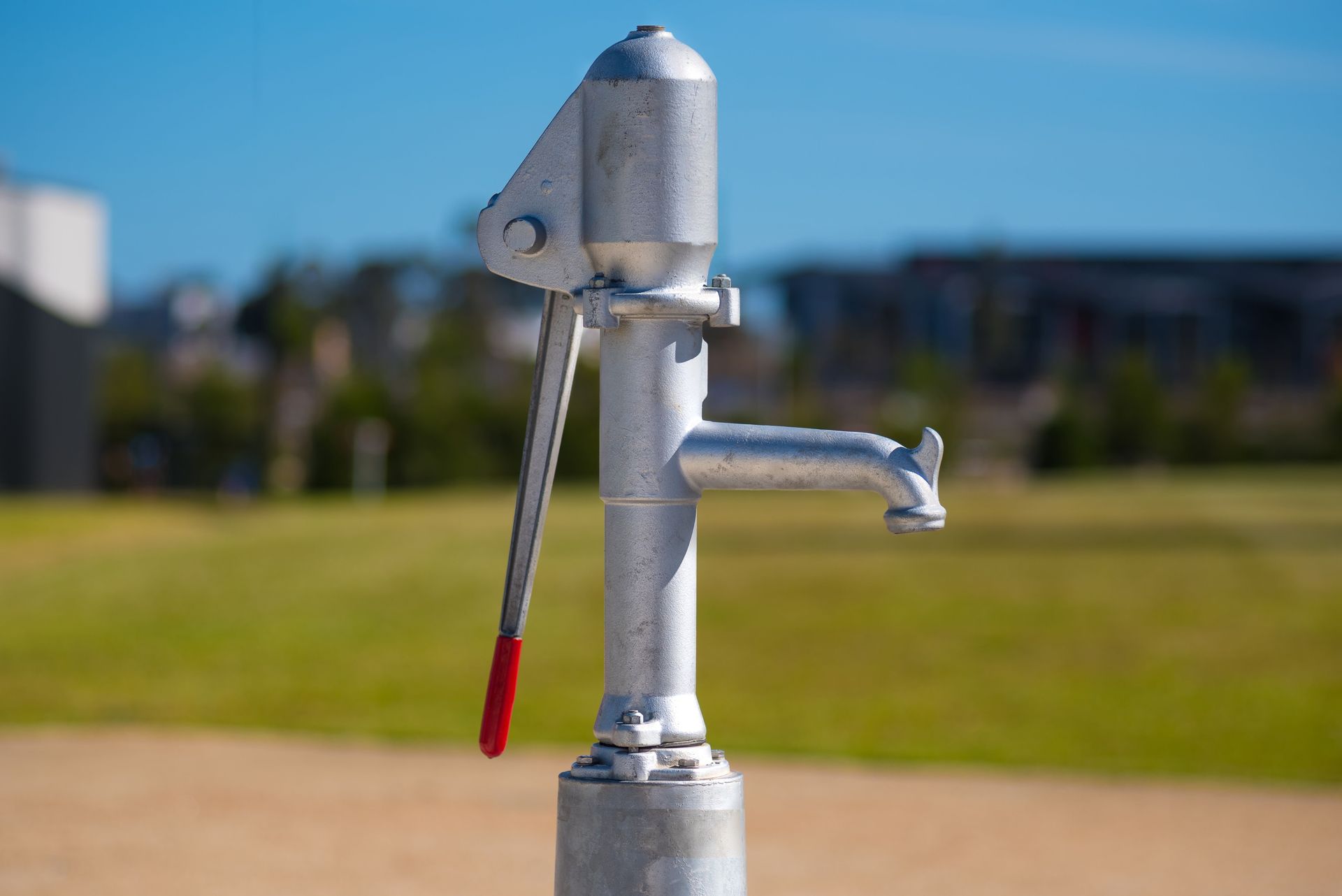
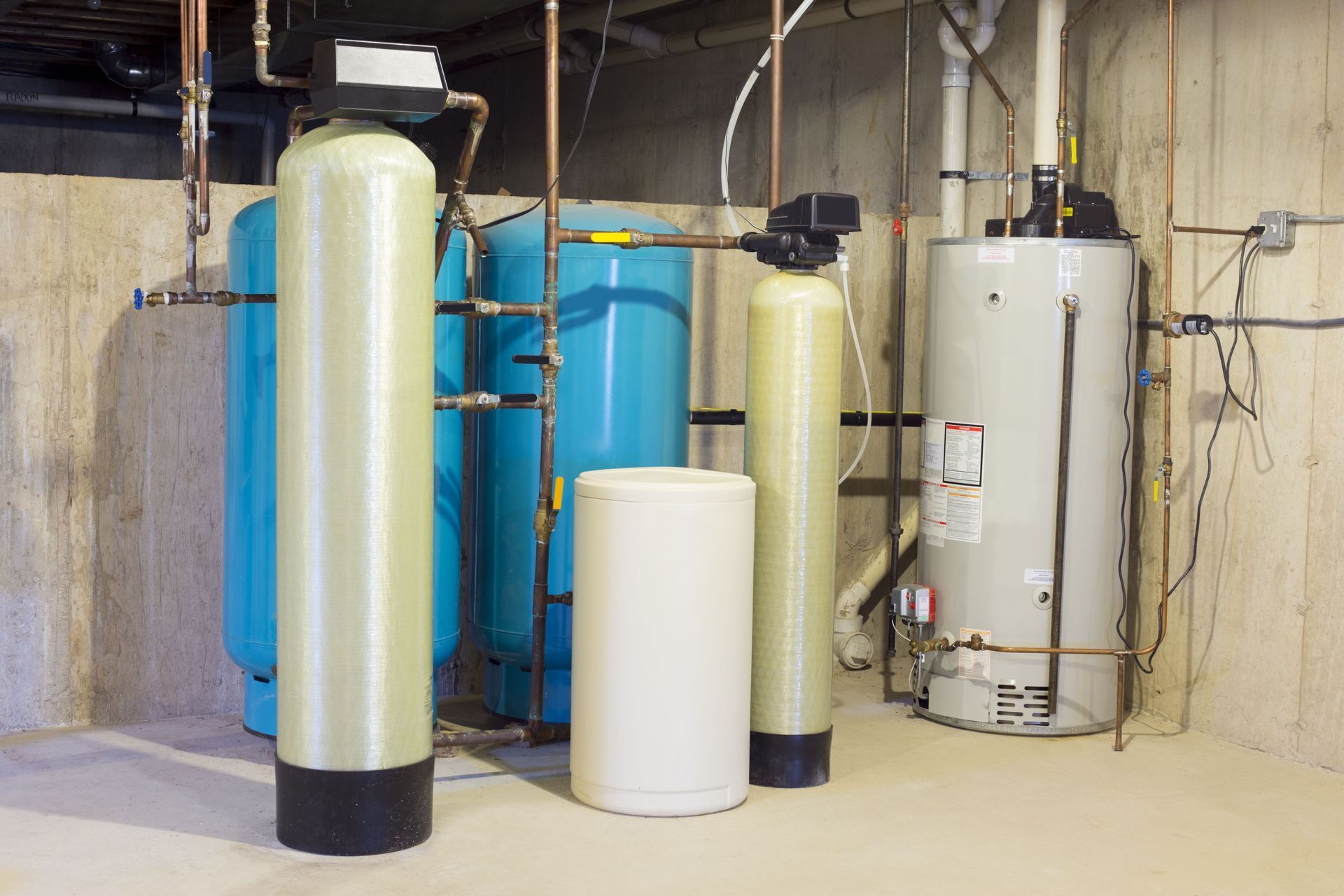
A professional water well inspection is the most direct way for a homeowner to protect groundwater and the household that depends on it. Most professionals recommend one visit each year, along with an extra visit after flooding, a long outage, or any change in water taste, smell, or clarity. The technician examines the wellhead, casing, cap, pump, pressure tank, pressure switch, and electrical connections, and checks water quality.
Findings are explained in plain terms so you know what needs attention now and what can wait. Catching a worn pump, a cracked casing, or a failing pressure tank early usually means a straightforward repair instead of an emergency. A thorough water well inspection also supports maintenance planning, since it shows when filters, pressure tank components, and treatment equipment will need service. Families who rely on a well for all of their water cannot afford to guess about its condition. Prevention pays off.
Supporting Responsible Stewardship
Protecting groundwater is a shared effort that involves federal, state, and local governments as well as individual residents. Laws such as the Safe Drinking Water Act set standards for public systems, while states and counties tailor well construction, licensing, and abandonment rules to local conditions. Private well owners usually fall outside those public programs, which places even more weight on personal stewardship. Stewardship starts with simple habits: conserving water, storing chemicals safely, maintaining the septic system, and keeping the wellhead area clear.
It also means working with licensed, insured professionals who follow current codes and understand local geology. A reputable well company can test your water, recommend filtration or treatment, handle pump repairs, and complete each water well inspection with clear documentation. Community knowledge helps too, since neighbors who share advice and watch for changes in local water conditions strengthen everyone’s protection. Small actions add up across a whole aquifer.
Safeguarding Tomorrow’s Supply
Groundwater is one of America’s most valuable and least visible resources. It feeds farms, supports businesses, and fills the glasses of millions of families. Keeping it clean and plentiful depends on smart policy, new technology, and the everyday choices of well owners. For anyone with a private well, those choices begin with testing, inspection, and prompt repair.
A trusted local partner with more than 40 years of experience, 24-hour emergency service, free quotes, and licensed, insured technicians makes that routine easy to follow. The right team covers every stage of a well’s life, from drilling and pump repair to treatment, chlorination, and abandonment.
Acting now protects your family’s water today and the aquifer your community will depend on tomorrow. Call Waller & Son Well Company today to schedule your water well inspection and get a free quote from trusted experts serving Metro Atlanta, South Metro, and Middle Georgia.