November 7, 2026
A private well gives a household its own source of water, free from a municipal utility. That independence comes with a responsibility, because nobody else tests, treats, or repairs the system for you. Across Metro Atlanta, South Metro, and Middle Georgia, many homeowners depend on a pump, a pressure tank, and a length of casing to deliver water for every shower, meal, and load of laundry. When any part falters, the household feels it immediately, and a timely water well pump repair is often what restores normal life.
Safe water depends on more than a working pump, though. These six tips cover testing, inspection, construction, contamination control, treatment, and emergency planning, so your water stays clean, and your system stays dependable. Each one protects your health, your equipment, and your budget. A little routine effort now prevents expensive surprises later. Think of the well as an investment worth protecting.
1. Testing Water Quality
Testing is the foundation of safe well water, because many harmful contaminants cannot be seen, smelled, or tasted. According to the CDC, roughly one in five sampled private wells contained at least one chemical at a level that could affect health. Because public agencies do not regulate private wells, you are the safeguard. Test at least once a year for bacteria and nitrates, and test again after any change in taste, smell, or appearance.
Heavy metals, iron, and pH problems are also worth checking, especially if you notice staining or a metallic taste. Use the sterile container supplied by the laboratory, avoid touching the inside of the bottle or cap, and deliver the sample within the time window the lab specifies. If results exceed safe limits, act promptly with a professional, since filtration, treatment, or chlorination can often solve the problem. Keep each report on file so you can spot trends over time.
2. Inspecting Well Components
A yearly inspection catches wear before it becomes a breakdown. A thorough visit covers the wellhead, casing, pump, pressure tank, pressure switch, and electrical connections, along with a check of water quality. Warning signs deserve attention between visits: sputtering faucets, falling pressure, a pump that cycles on and off, strange noises, cloudy water, or rising energy bills. Any of these can point to a failing pump, a waterlogged tank, or a damaged component.
Prompt water well pump repair prevents a worn motor from running dry, overheating, or burning out. Delaying that repair can also strain the pressure tank and plumbing and lead to a total loss of water. Homeowners can help by keeping the area around the wellhead clear, confirming the well cap is secure, and watching for cracks or corrosion. Leave the electrical and mechanical work to licensed technicians, who have the tools and experience to diagnose problems accurately.
3. Ensuring Proper Construction
A well that is built correctly protects your water for decades. Proper drilling, casing, grouting, and pump selection must all meet local codes, because a flaw in any one of them can let surface contaminants reach the aquifer. Location matters as well. A well should sit uphill from septic systems, fuel storage, and livestock areas so runoff flows away from it, with convenient access for service trucks. Durable, corrosion-resistant materials such as stainless steel and PVC help keep the system sound and the water pure.
Pump sizing deserves special care. A pump that is too large or too small for the well’s depth and yield will cycle too often, wear out early, and eventually require water well pump repair that proper sizing could have avoided. Experienced professionals assess local geology, choose the right depth and method, and seal the casing correctly the first time. Skipping that expertise is a costly shortcut.
4. Controlling Nearby Hazards
Even a perfectly built well can be compromised by what happens around it. Septic systems, fertilizers, pesticides, fuel tanks, and livestock waste are common sources of contamination. Store household and garden chemicals in sealed, watertight containers well away from the wellhead, and clean up any spill immediately. Apply lawn products sparingly, and keep a buffer of undisturbed ground around the well. Septic systems deserve particular attention when they sit near a well. Keep the tank pumped and inspected, maintain a safe separation distance, and address leaks right away.
Walk the property each season to look for new threats, such as nearby construction, drainage changes, or pooling water around the wellhead. Flooding is especially risky, since runoff can carry bacteria directly into a damaged or poorly sealed well. Cracked casings and loose caps are often found during water well pump repair visits, which gives technicians a chance to close those entry points.
5. Selecting Treatment Systems
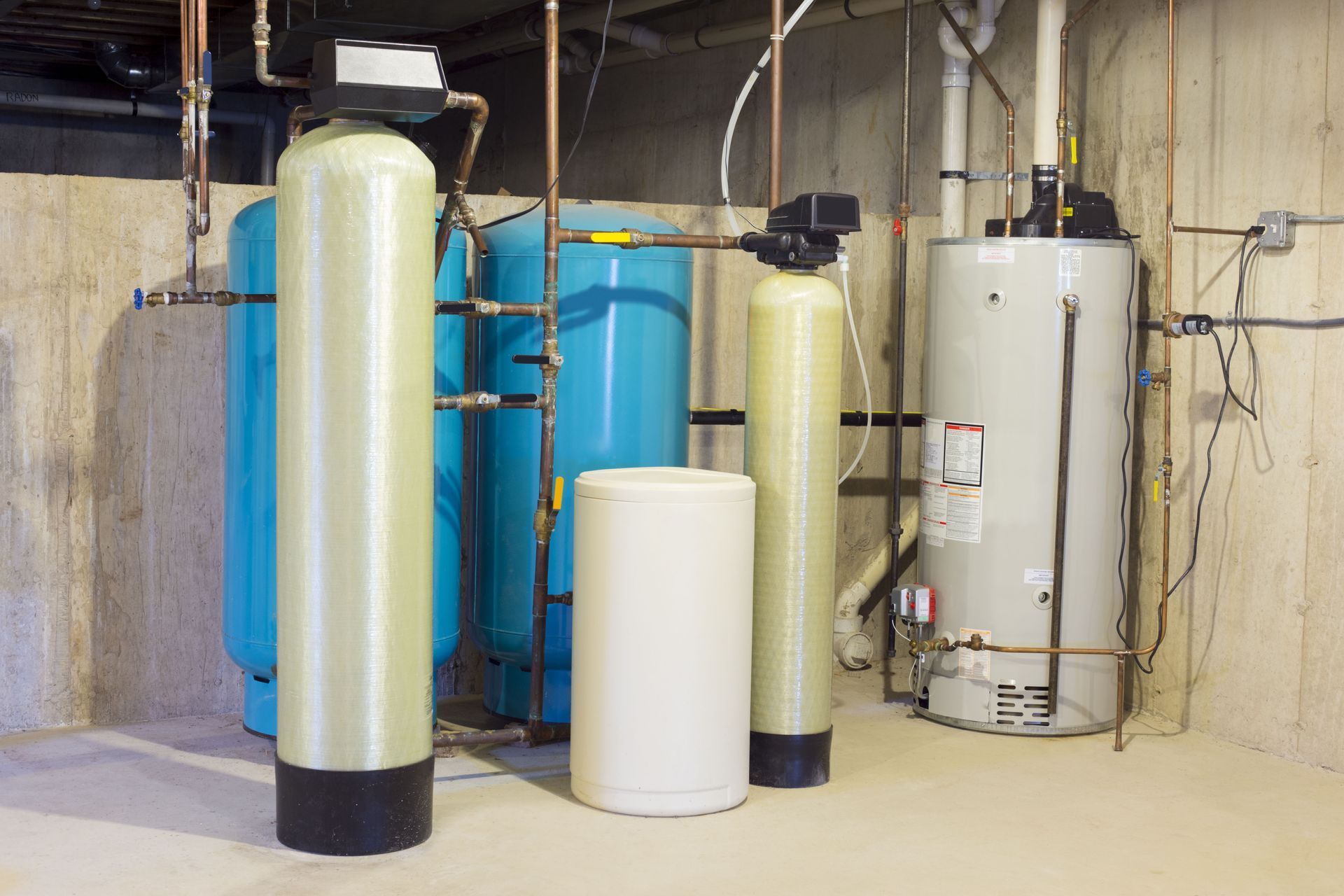
When testing reveals a problem, the right treatment system turns it into a solved one. Well owners often deal with hard water, high iron content, pH imbalances, or bacteria. Each problem calls for a different solution, such as filtration for sediment, softeners for minerals, neutralizers for acidity, and ultraviolet treatment or chlorination for bacteria. A custom plan based on your test results works better than guessing. Treatment equipment also protects your plumbing, appliances, and fixtures from scale and staining.
Professional installation ensures the system works with your existing pump and pressure tank. Systems that restrict flow can strain a pump, so pairing treatment upgrades with water well pump repair or a pump check keeps everything balanced. Replace filters and service equipment on the manufacturer’s schedule, and retest the treated water periodically to confirm the system is still working. If results slip, it may be time for an upgrade.
6. Preparing Emergency Plans
Well pumps depend on electricity, so storms and outages can leave a household without water. A portable generator or backup power source sized for your pump keeps water flowing, and it should be tested regularly. Store drinking water for several days, and know where to find safe temporary sources if the system fails. Keep the number of a licensed, local professional where everyone in the household can find it.
Pump failures rarely wait for business hours, so 24-hour emergency water well pump repair is valuable when a pump quits on a weekend or in the middle of the night. After a flood, storm damage, or long outage, do not drink the water until the well has been inspected, disinfected, and tested. Chlorination is the standard way to disinfect a well after contamination, and a professional can perform it and confirm the results. Local health departments are also useful sources of guidance during regional emergencies.
7. Safeguarding Your Supply
A private well rewards owners who stay attentive. Regular testing, yearly inspections, sound construction, careful control of nearby hazards, the right treatment, and a ready emergency plan work together to keep your water safe and your system reliable. None of these steps requires guesswork when a knowledgeable local team is involved.
Choose a family-owned, licensed, and insured company with more than 40 years of experience, free quotes, and available pump warranties. Such a team can handle everything from testing and inspections to treatment and routine water well pump repair, so one call covers nearly every need.
Small steps taken today protect your family’s health, your equipment, and your peace of mind for years to come. Call Waller & Son Well Company today for a free quote and fast, dependable water well pump repair anywhere in Metro Atlanta, South Metro, and Middle Georgia.